Burnley has risen from 11th to fourth most deprived local authority in England, according to the latest Index of Multiple Deprivation data published in 2025. The figures confirm what organisations working on the ground in the town have long reported: that poverty, poor health, and limited opportunity are deepening, not improving.
Approximately 40 percent of Burnley's neighbourhoods now fall within the most deprived 10 percent nationally. The data measures deprivation across seven domains including income, employment, health, education, housing, crime, and living environment. Burnley's deterioration has been driven by a combination of below-average wages, high economic inactivity, and a housing stock that remains among the cheapest in the country.
The mental health consequences of this level of deprivation are severe and measurable. Burnley's suicide rate stands at 17.4 per 100,000 people, compared with a national average of 10.9. Depression prevalence in the borough is 18.1 percent, against 14.3 percent nationally. Hospital admissions for self-harm are significantly above the England average.
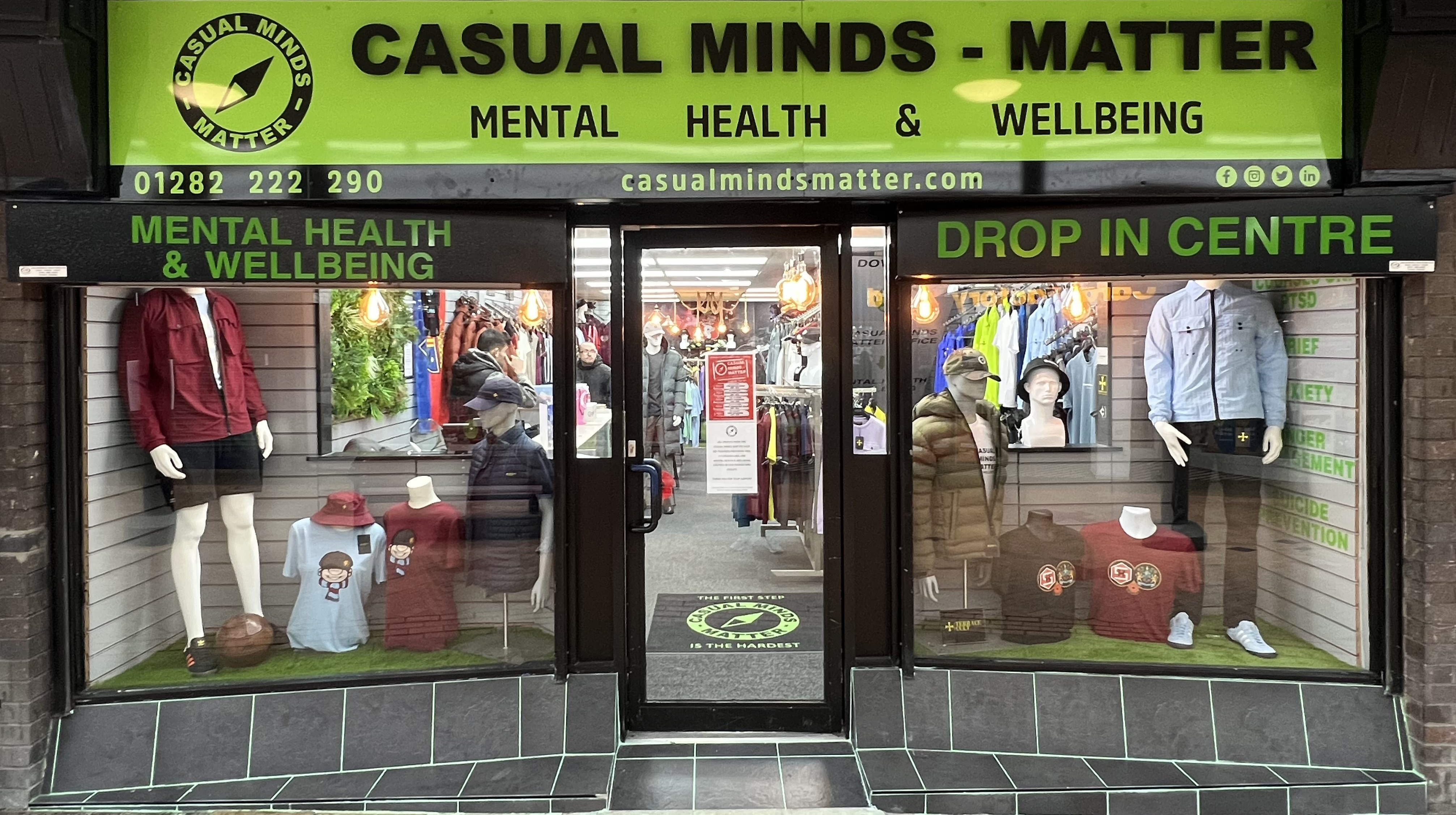
Dave Burnett, founder and director of Casual Minds Matter CIC, said the data reflects what he sees at the organisation's Howe Walk base every week. "None of this is a surprise to us. The people who walk through our door are dealing with debt, insecure housing, substance misuse, domestic abuse, and unemployment, all at the same time. Mental health does not exist in isolation. When you are in the fourth most deprived town in the country, everything compounds."
The deprivation figures place additional pressure on already overstretched local services. Burnley Borough Council, Lancashire County Council, and NHS East Lancashire all face budget constraints that limit their capacity to respond. Voluntary and community organisations like CMM increasingly find themselves filling gaps that statutory services cannot reach, especially for quick mental health support where people would otherwise wait months.
CMM currently operates from 4 Howe Walk in Burnley town centre, offering free one-to-one counselling, group therapy sessions, and walk-in mental health support. The organisation receives no statutory funding and relies entirely on donations, clothing sales, and fundraising to sustain its services.