People in Burnley who are experiencing suicidal thoughts, severe anxiety, and depression are being told they will wait six months or more for NHS talking therapies. In a town where the suicide rate is 17.4 per 100,000 people, nearly double the national average of 10.9, that wait can be the difference between someone getting through a crisis and not getting through it at all.
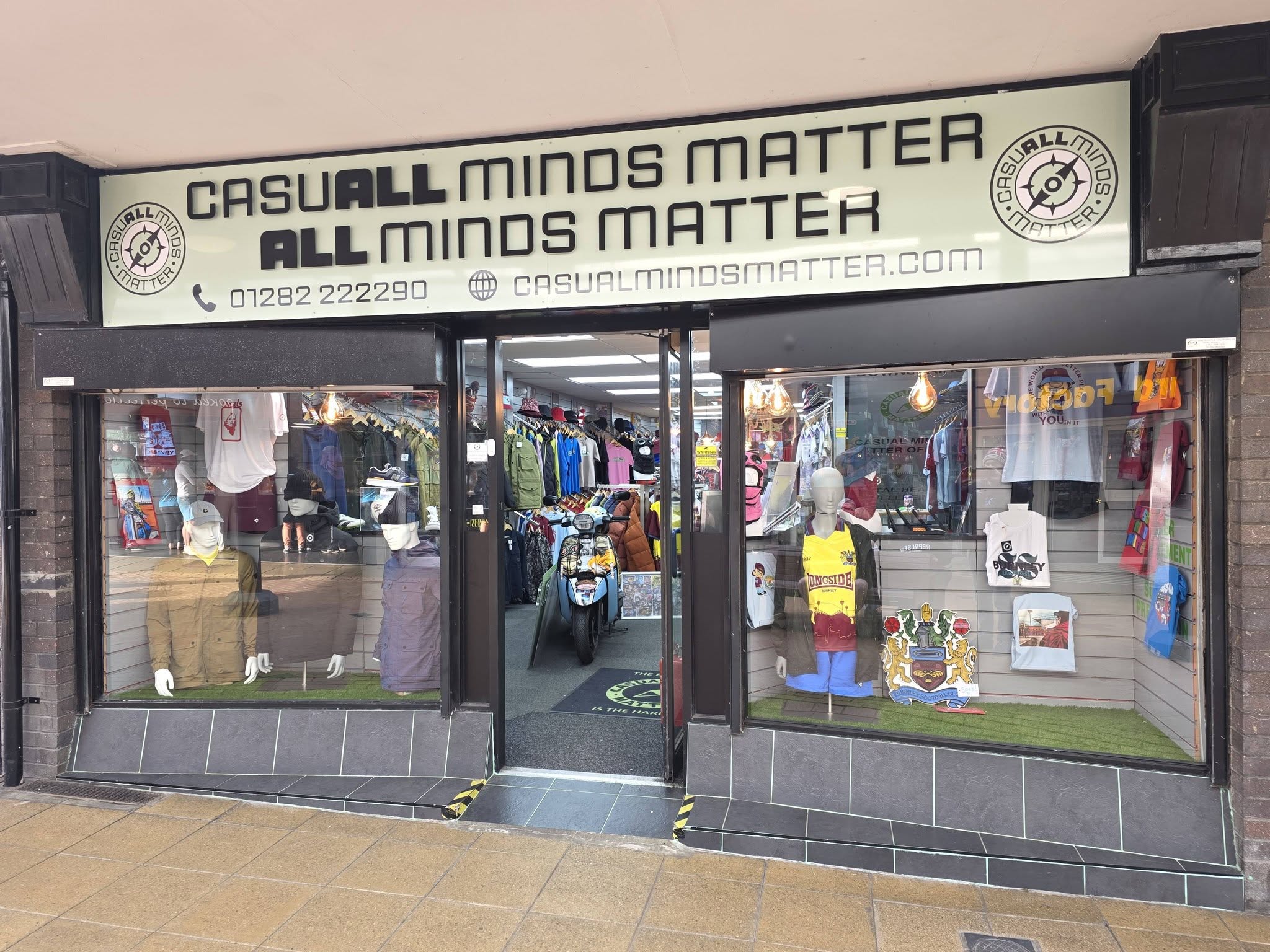
Casual Minds Matter, the community interest company based at 4 Howe Walk in Burnley town centre, has a maximum wait time of five weeks. The organisation provides free one-to-one counselling, group therapy, and walk-in support without requiring a GP referral, a formal assessment, or any paperwork. It is now receiving direct referrals from Lancashire Police, local GP surgeries, the Department for Work and Pensions, and the NHS crisis team itself, all of which recognise that the statutory system cannot meet the demand.
The people who come through CMM's door are not presenting with single, isolated issues. They arrive with multiple problems at once: debt, substance misuse, domestic abuse, housing instability, isolation, bereavement, and unemployment, layered on top of depression, anxiety, and trauma. Many have been discharged from NHS services after a limited number of sessions, or have been told their needs do not meet the threshold for secondary care. They end up with nowhere to go.
Dave Burnett, CMM's founder and director, described the reality of what he sees. "We had someone come in last week who had been told by their GP to call the crisis line. They called it. They were told there was nothing available. They came to us the same day. That person was suicidal. We saw them, we talked to them, and we got them into regular sessions. Without us, I do not know what would have happened to that person."
Burnley's mental health statistics are stark. Depression prevalence stands at 18.1 percent, compared with 14.3 percent nationally. Hospital admissions for self-harm are significantly above the England average. The borough ranks among the worst in the country for health deprivation, and the latest Index of Multiple Deprivation data places it as the eleventh most deprived local authority in England. These are the conditions in which CMM operates, and they explain why demand for its services continues to grow.
Despite being relied upon by police, GPs, and the NHS crisis team as a frontline resource, CMM receives no statutory funding. It is funded entirely by donations, community fundraising, and revenue from its clothing shop. The organisation's counsellors and support workers operate on a fraction of the budget that NHS or local authority services receive, yet they are reaching people faster and with less paperwork.